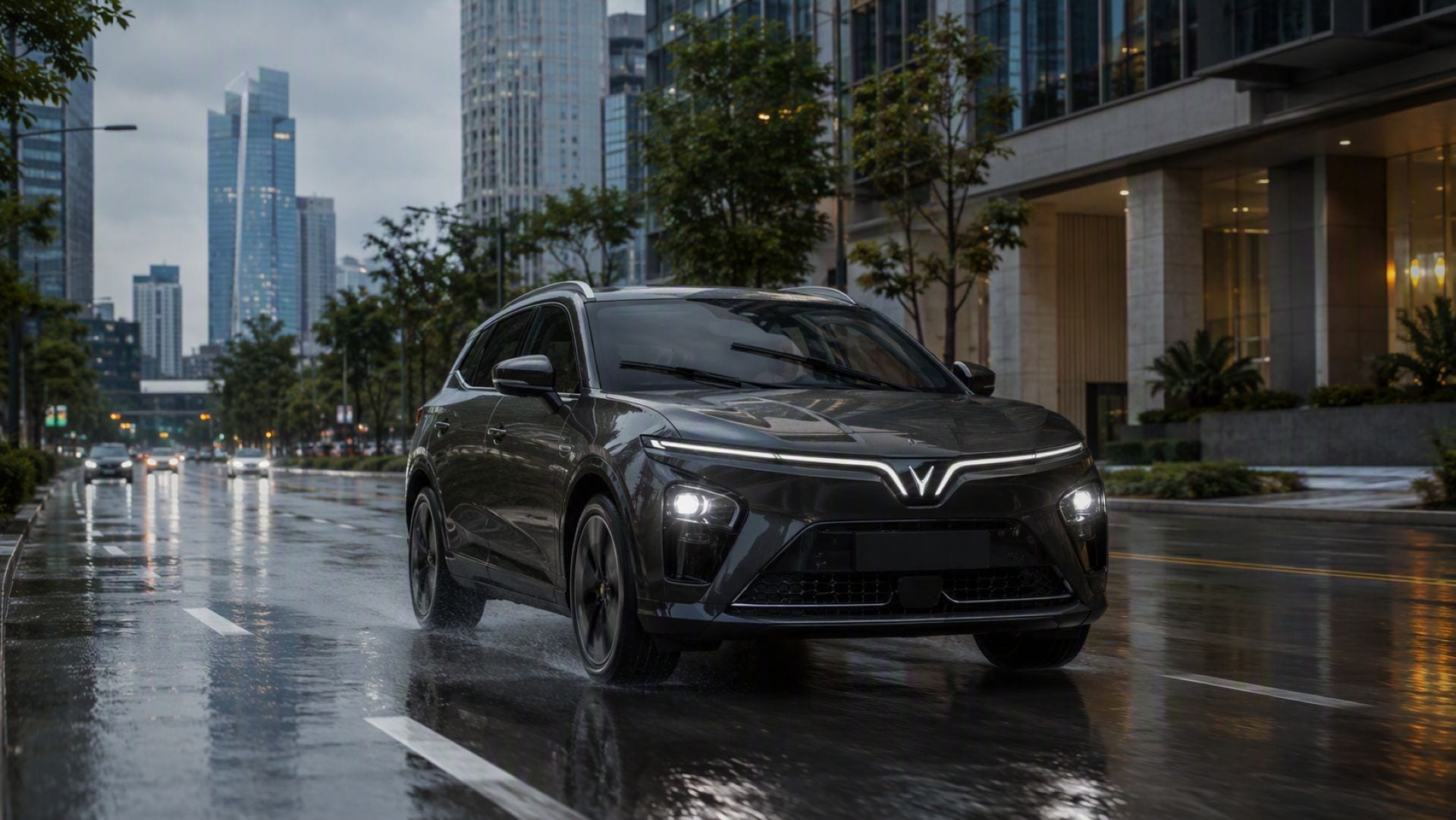

Indonesia’s rainy season is a reality that drivers face every year. Heavy rainfall, standing water, reduced visibility, and slippery roads are all part of everyday driving for several months at a time.
For drivers who have recently switched from a gasoline vehicle to an electric vehicle, rainy weather often brings understandable questions. Are there any special precautions to take? Do heavy rain or flooded roads affect the safety of an EV?
The short answer is no. VinFast vehicles are designed to operate in a variety of weather conditions, including the heavy rainfall commonly experienced across Indonesia. However, there are a few things worth understanding to help you drive with confidence during the rainy season.
The First Concern: Are Electricity and Water Dangerous Together?
This is the most common question EV owners ask, and it deserves a clear answer.
The electrical systems in VinFast vehicles, including the battery, motor, and supporting electronics, are designed to meet stringent international water-resistance standards. These systems are thoroughly tested to ensure safety during heavy rain and typical water exposure encountered in everyday driving.
Driving in heavy rain, passing through normal road puddles, or having water splash onto the vehicle during regular use does not create an electrical safety risk for VinFast vehicles.
However, as with any vehicle, driving through deep flooding beyond the vehicle’s capabilities is not recommended. This applies equally to gasoline-powered and electric vehicles. Water entering the cabin or critical systems under extreme conditions is a risk that should be avoided regardless of vehicle type.
AVAS: Even More Important in the Rain
Heavy rain significantly increases ambient noise levels around a vehicle.
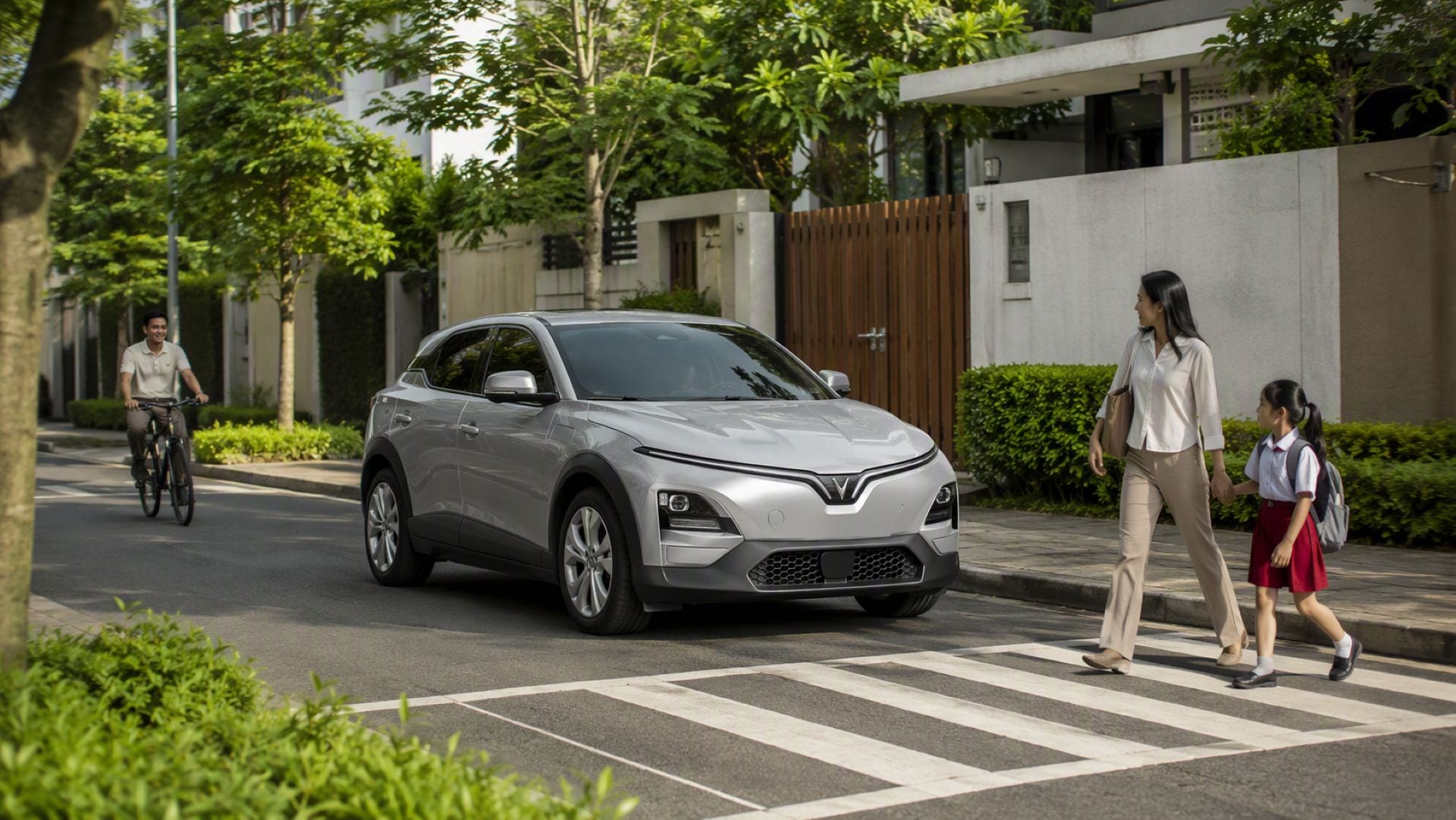
Rain hitting the windshield and roof, water splashing from tires, and increased environmental noise can make it more difficult for pedestrians and other road users to detect approaching vehicles.
This is where AVAS (Acoustic Vehicle Alerting System) becomes especially important.
AVAS automatically generates an external warning sound when the vehicle is traveling at low speeds. This helps alert pedestrians, cyclists, and other road users who may have limited visibility due to rainy conditions.
The system operates automatically without driver intervention, ensuring acoustic awareness is available when road conditions make it most necessary.
Charging in the Rain: Safe or Not?
common question among EV owners is whether it is safe to charge an electric vehicle during rainy weather.
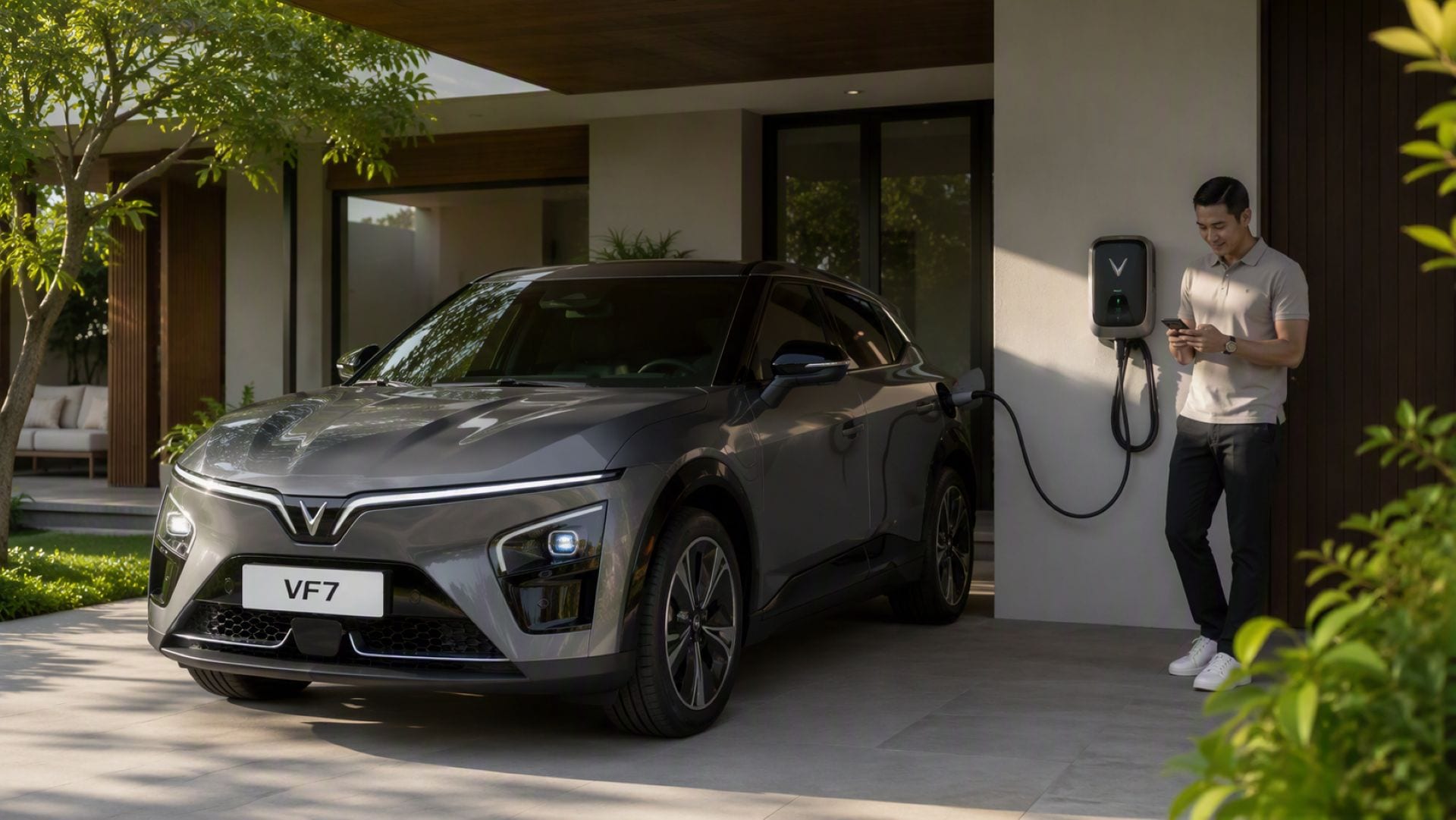
Charging at Home
When using a home charger or portable charger, charging during rain is generally safe as long as:
- The charging cable and electrical connections are in good condition
- There is no visible damage to the equipment
- The charging area is protected from direct water exposure
A covered garage or sheltered parking area is ideal.
Charging at Public Charging Stations
Public charging facilities, including those within the V-Green network, are designed for outdoor use and built to withstand normal weather conditions.
Charging during rain is generally safe. However, avoid standing in pooled water while connecting or disconnecting charging equipment.
The charging ports and connectors used by VinFast vehicles are designed to meet applicable safety and weather-resistance standards.
If weather conditions become extremely severe, particularly during thunderstorms with lightning activity, postponing charging until conditions improve is a sensible precaution, just as it would be for other electrical equipment.
Tips for Safer Driving During the Rainy Season
Use Regenerative Braking More Deliberately
On wet roads, sudden braking can increase the risk of slipping.
Regenerative braking works when you release the accelerator pedal, helping slow the vehicle more gradually and smoothly than abrupt braking inputs.
Reduce Speed Earlier Than Usual
Stopping distances become longer on wet surfaces.
Allow additional space between your vehicle and the vehicle ahead to maintain a safer following distance.
Choose the Appropriate Driving Mode
When road conditions are slippery, Eco or Normal driving modes may provide more controlled acceleration responses than Sport mode.
A smoother throttle response can make driving in challenging conditions easier to manage.
Check Wiper Condition Regularly
Worn wiper blades can significantly reduce visibility.
During the rainy season, effective windshield wipers are one of the most basic and important safety requirements.
Preparing Your VinFast for the Rainy Season
Before the rainy season begins, or at its start, there are several simple checks worth performing.
Check Tire Condition and Tire Pressure
Healthy tire tread helps maintain traction on wet roads.
Proper tire pressure also contributes to vehicle stability and braking performance.
Ensure All Lights Are Working Properly
Visibility during heavy rain depends heavily on effective lighting.
Inspect headlights, taillights, brake lights, and indicators to ensure they are functioning correctly.
Inspect Charging Equipment
Check home charging cables and connectors for signs of wear or damage.
Address any issues before they become larger problems.
Schedule Preventive Maintenance if Necessary
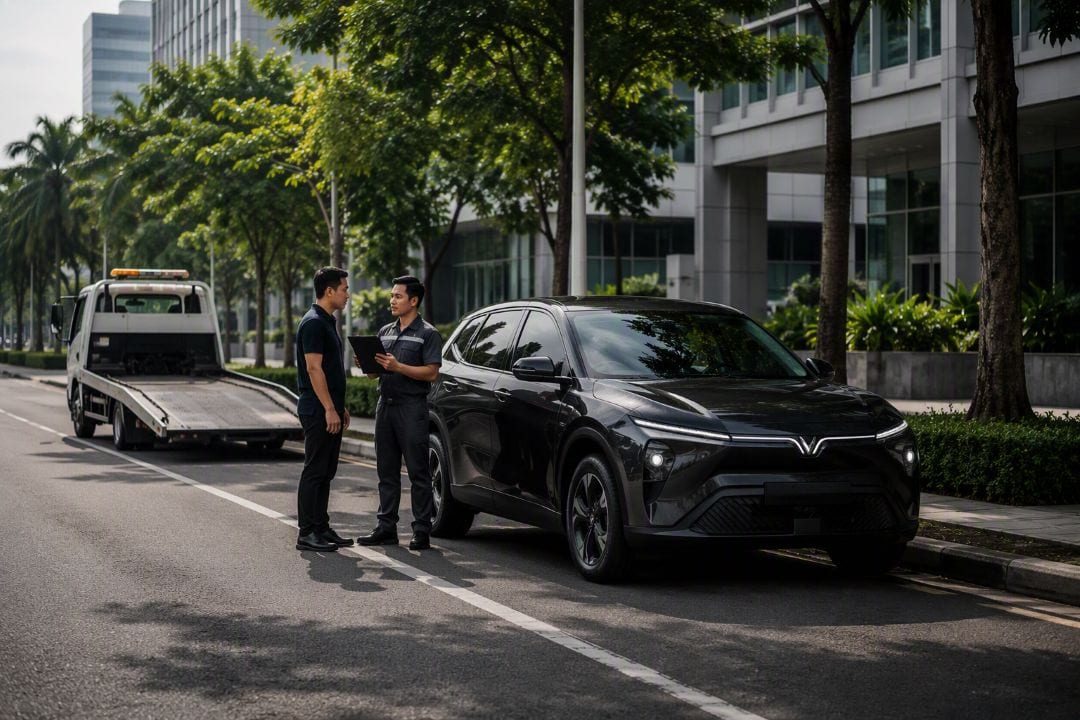
If your vehicle requires inspection or maintenance, consider scheduling a visit to a VinFast service center or certified Third Party Workshop before the peak rainy season arrives.
Drive Through the Rainy Season with Confidence
The rainy season does not have to compromise the comfort, convenience, or reliability of driving a VinFast vehicle.
By understanding how your vehicle is designed to operate in wet conditions and following a few practical precautions, you can continue enjoying a safe and confident driving experience throughout the season.
For technical questions or to schedule a vehicle inspection before the rainy season, contact 1500083 or visit your nearest VinFast showroom or authorized service partner. ⚡🚗